
Liquid gold, honestly made.
Real Mānuka honey from New Zealand, lab-tested and certified from MGO 50+ to 829+. No blends, no shortcuts — just raw honey the way it should be.


- 829+MGO strengthMGO Certified
- 100%New ZealandSourced & Packed
- 1Pure MānukaMultifloral / Monofloral
- 5Blends5 Different Variants
- RawUnpasteurisedFrom The Hive
- EveryBatch testedLab Verified
One honey. Five potencies.
MGO (methylglyoxal) is the natural compound that sets Mānuka apart. The higher the number, the greater the potency — and the rarer — the jar.-
829+

 Ultra Premium
Premium New Zealand Mānuka Honey MGO 829+ - Monofloral
Regular price $181.00 NZDRegular price -
514+

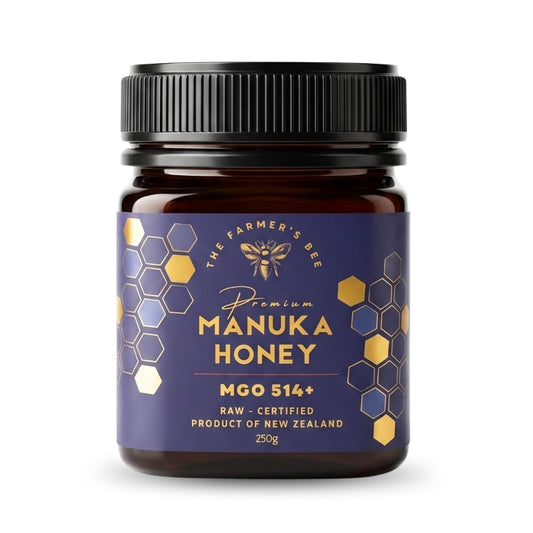 High Potency
Premium New Zealand Mānuka Honey MGO 514+ - Monofloral
Regular price $98.00 NZDRegular price -
263+

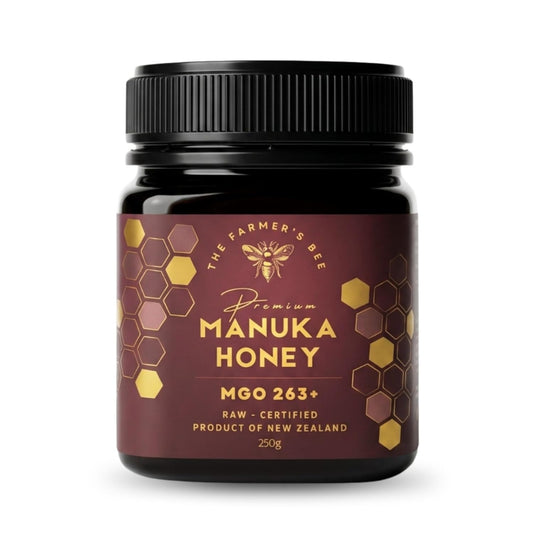 Health Support
Premium New Zealand Mānuka Honey MGO 263+ - Monofloral
Regular price $50.00 NZDRegular price -
83+

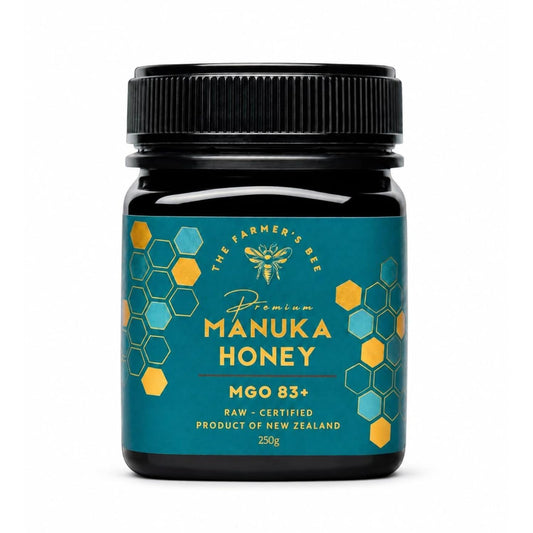 Functional Support
Premium New Zealand Mānuka Honey MGO 83+ - Monofloral
Regular price $40.00 NZDRegular price -
50+

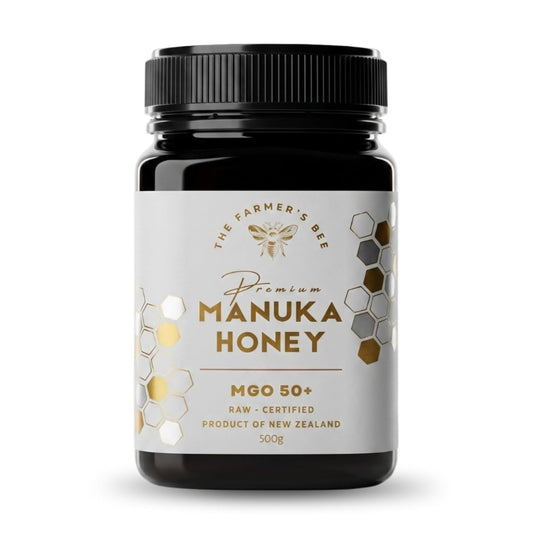 Everyday Wellness
Premium New Zealand Mānuka Honey MGO 50+ - Multifloral
Regular price $46.00 NZDRegular price


The one people keep coming back for.
Scientific & Health Benefits: Strong antibacterial action (near clinical level). Helps with minor wound care at home. Supports gut health during flare-ups. Helps with mild infections or acne.
- Daily Wellness Boost — One spoon daily for stronger support.
- Soothing Skin Care — Apply on minor skin irritations.
- Natural Beauty Blends — Use in natural face masks or balms.
A few weeks a year,
if the weather is kind.
Manuka honey comes from one plant — Leptospermum scoparium — growing wild in New Zealand's Remote coastal areas. It flowers for just two to six weeks, so every jar is a small piece of a very short season.
We keep it simple: let the bees do the work, test every batch, and bottle it raw.
Weeks of bloom
New Zealand
Certified grades
Highest MGO
The Farmer's Bee vs the rest
Not every jar labelled “Mānuka” is the real thing. Here’s how ours compares, line by line.
 The Farmer’s BeeCertified Mānuka
Every jar we sell is lab-tested and certified — from MGO 50+ to 829+.
Find your strength

How we like to enjoy it.
The first spoonful
Straight from the jar, before coffee. Let it melt slowly.
Post-workout bowl
Drizzled over Greek yoghurt with berries and oats.
Warm, not hot
Stirred into warm lemon water or tea once it's cooled a little.
Evening calm
A small spoon with chamomile as the day slows down.
Everything you wanted to ask.
Still curious? Our team is happy to help you pick the right jar.
Contact usWhat is Mānuka honey?
It's a monofloral honey made by bees that gather nectar from the Mānuka tree, native to New Zealand.
What does MGO mean?
MGO stands for methylglyoxal, the naturally occurring compound that gives Mānuka its distinctive properties. The higher the MGO number, the more potent the honey.
Why is high MGO honey so rare?
The Mānuka bush flowers for only two to six weeks a year, and only some of that harvest reaches the highest MGO levels.
Can children and pregnant women have it?
Mānuka honey is considered safe for pregnant women and children over one year old. Honey should never be given to infants under 12 months. If in doubt, check with your doctor.
How should I store it?
Keep it sealed at room temperature, away from direct sunlight. Stored well, it keeps for a long time — no refrigeration needed.
Be first to taste the new harvest.
Harvest news, recipes and first access to new batches. A couple of emails a month, never spam.